
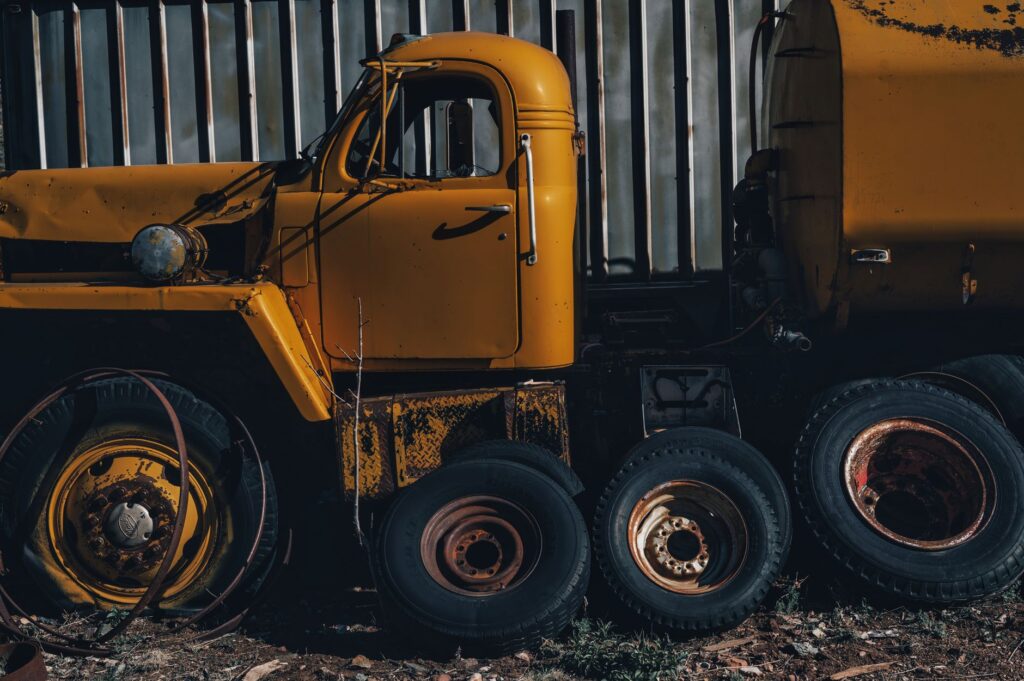
Ask around any shop and you will hear that a truck tire is good until the day it blows, and that until then there is nothing to worry about. It is one of the most expensive beliefs in trucking, and it keeps good drivers from spotting trouble that was visible weeks earlier. The gap between what people repeat in the yard and what actually happens on the road is where fleets quietly lose money and, occasionally, control of a vehicle.
The myth that a tire looks fine until it isn’t
A casing degrades long before it fails. Internal heat builds, belts separate, and sidewall cords fatigue while the outside still looks round and full. A tire that passes a glance from ten feet away can be weeks from a blowout. The surface tells you almost nothing about the structure underneath it, and that is precisely why a visual pass is not an inspection. The problems that strand trucks are usually the ones you cannot see from the cab window.
Why topping off pressure once a month is not enough
Monthly top-offs feel responsible, but air pressure does not drift on a convenient schedule. A tire naturally loses a few points of pressure over weeks, and a slow leak or a changing load swings it faster than that. By the time your monthly check comes around, a tire may have spent two or three weeks running soft, generating heat and chewing through tread on the shoulders. Pressure should be checked cold, often, and with a gauge you trust rather than a boot to the sidewall. The thump test tells you a tire is not flat; it does not tell you whether it is correct.
The belief that a heavier tire always carries more weight
Weight and load capacity are not the same thing. A tire’s carrying ability comes from its load index and inflation pressure, not from how substantial it feels when you lift it. A heavier-built tire might be designed for a rougher duty cycle, more retread lives, or a specific axle position, none of which automatically raises the pounds it is rated to support. Overload a tire because it felt beefy and you are running it beyond its engineering, regardless of its heft. The rating stamped on the sidewall is the number that matters, and it does not care about your impression of the tire’s weight.
No, letting air out does not give you better grip in the cold
This one travels from truck stop to truck stop every winter. The idea is that a softer tire spreads out and bites more. In reality, dropping pressure on a loaded heavy tire flattens the footprint in the wrong way, overheats the sidewalls, and ruins the even contact the tread needs to grip. You lose stability, you accelerate irregular wear, and you gain nothing on ice that a correct tread pattern and proper inflation would not have given you. When fleets want a real answer on winter traction rather than lot gossip, a reputable boutique de pneus commerciaux can match tread design and pressure to the actual routes instead of a hunch. Cold tires want the right pressure, not less of it.
Debunking the idea that matched duals are just a cosmetic nicety that drivers can safely ignore
Mismatched duals are treated as a tidiness preference, something perfectionists fuss over. They are not cosmetic. When two tires on the same position have different diameters, the larger one carries more than its share of the load while the smaller one scrubs and drags along for the ride. The overloaded tire runs hotter and wears out early; the underloaded one wears unevenly. The difference does not have to be dramatic to matter. A half-inch gap in circumference is enough to shorten the life of both tires and stress the axle components between them.
Where to get the straight answer instead of the rumor
Most of these myths survive because they are easy, free, and told with confidence by someone who sounds like they know. A gauge, a load chart, and a service tech who measures rather than guesses will contradict all of them in an afternoon. Shops around the New Jersey corridor that handle commercial fleets daily see the aftermath of garage-floor folklore often enough to spot it fast. The information is available; it simply is not as loud as the rumor.
So the choice in front of you is plain. You can keep running on the comfortable stories that cost a little every week and sometimes a lot all at once, or you can start checking the numbers that the stories were never built on. One of those paths is cheaper than it looks, and it is not the one most drivers assume.